Green season is the quieter, lower-cost window to see the Serengeti. For a 2026 trip, serengeti safari green season prices will depend on your dates, your camp standard, and whether you fly or drive. As a rough guide, budget travelers pay $150-$300 per person per day, mid-range travelers pay $300-$700, and luxury guests pay $700-$1,500 or more. A five-day itinerary from Arusha usually works out to $750-$7,500 per person before international flights.
Serengeti Safari Green Season Prices: Build Your Own 2026 Model
Use this four-step checklist before you ask operators for a quote.
- Set your travel window. The green season usually means November to May. The sharpest low-season discounts are in March, April, and May. January through March is the Serengeti calving season in the south, so rates start climbing again during that popular window.
- Pull out park fees. Serengeti park fees and Ngorongoro crater fees are separate from lodge rates. They do not fall by 40% just because the grass is wet. Check current official rates before you compare Kenya and Tanzania safari park fees with your operator quote.
- Set a realistic package tier. The table below uses full package daily rates, meaning accommodation, meals, guiding, and vehicle use. It may or may not include park fees, so you still need to verify the fee line.
| Travel style | Full package cost per person per day | Realistic 5-day total per person |
|---|---|---|
| Budget camps or lodges | $150-$300 | $750-$1,500 |
| Mid-range tented camps | $300-$700 | $1,500-$3,500 |
| Luxury camps or mobile camps | $700-$1,500 | $3,500-$7,500 |
These are indicative ranges, not final quotes. A three-day budget safari could land near $450, while a seven-day luxury trip could pass $10,000.
- Multiply by nights and then add the extras. A lower daily rate can disappear if you need extra nights in Arusha, a long drive, or an internal flight. Keep the true trip length in your budget, not just the days inside the park.
What Drives a Green Season Quote, Beyond the Discount
The headline number matters, but three factors move the price more than the season itself.
- Vehicle and group size. Shared vehicles lower the per person cost. A private vehicle raises it. Think through whether a private safari vehicle is worth the cost for your group before you compare quotes. Some travelers prefer the flexibility, others would rather spend that money on a better camp.
- Transport and distance. Driving from Arusha to central Serengeti takes most of a day. Internal flights to remote airstrips cost more but save hours. In wet months, road conditions can add detours and slower driving, so account for transfer time as well as money.
- Camp location and seasonal opening. Southern Serengeti is the calving focus from January to March. Central Seronera is the reliable all year base. Western and northern camps are more seasonal, some close during the wettest months, while mobile camps shift with the herds. A cheap rate at a closed camp is not a deal.
Use a Green Season Inclusions Checklist
Quoted prices sound similar until you read the exclusions. Verify these line items before you compare.
- Serengeti and Ngorongoro fees. Resident, non-resident, and vehicle fees differ. Many quotes list fees as extra even when the camp rate looks low.
- Internal flights, airport transfers, and pre safari nights. A quote that starts in Arusha may not include the flight to a Serengeti airstrip or the night before your safari begins.
- Vehicle type and exclusivity. Know whether you will be in a shared 4×4 or a private vehicle, and check the roof design and window views.
- Meals, drinks, laundry, and activities. Full board usually means three meals, but drinks and special experiences are not always included.
- Tips, visas, travel insurance, and emergency evacuation cover. These can add meaningfully to your final cost.
Ask for an itemized quote rather than a single lump sum. If an operator sends a broad Serengeti safari package price, ask them to split accommodation, park fees, and transport. A solid set of questions to ask a Serengeti safari operator helps you compare apples with apples.
How Real Are the Green Season Savings?
Green-season discounts are real, but they are not uniform. Most published savings fall between 15% and 30%. Selected camps and promotional packages reach 40% or more, especially for April and May. January and February sit closer to shoulder-season pricing because calving-season demand stays strong.
Park fees and internal flights do not shrink the same way. That is why the biggest advertised discount can still produce a middling final total. Always compare the final daily package cost, not the discount percentage.
Weigh Wildlife, Rain, and Road Conditions
Green season is a trade-off, and the right choice depends on what you value most.
- For wildlife action, aim for January through March. This is the main calving window in the southern Serengeti. Wildebeest gather on the short-grass plains, predators follow, and the vehicle numbers stay lower than in peak dry season.
- For the lowest prices and fewest people, choose April or May. Expect rain, longer grass, and some muddy tracks. Camp closures happen, so check the operator’s backup plan before you book. A flexible itinerary can still deliver excellent game viewing.
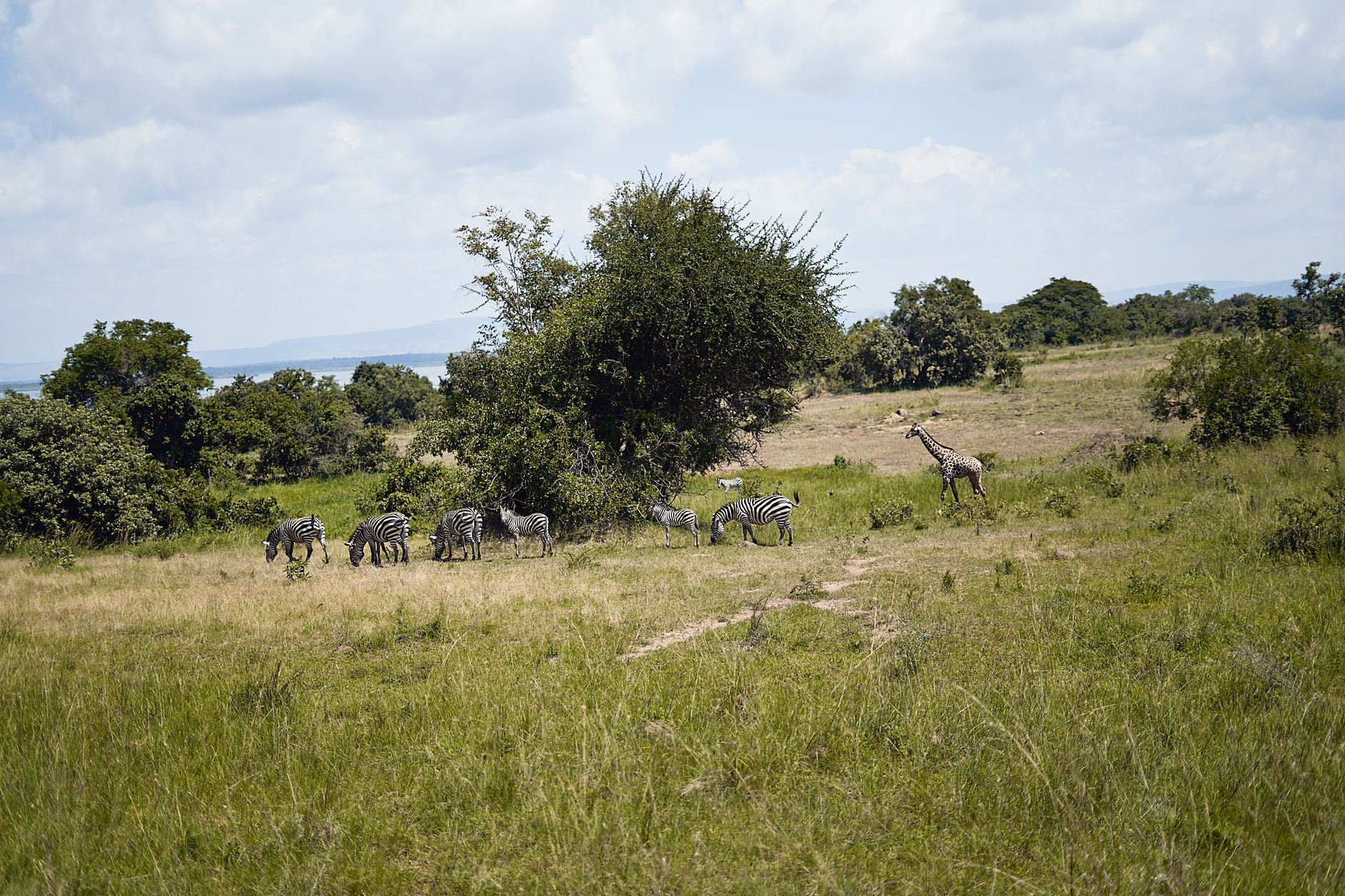
- For scenery and birding, any green-season month can work. The landscape turns colorful, migrant birds arrive, and dramatic skies are common. Repeat safari travelers often enjoy this season as much as the dry months.
From a Kenya-based planner’s perspective, the Serengeti has a different rhythm from the Masai Mara. The Mara peaks from July to October, while the Serengeti’s discounted calendar follows Tanzania’s rains. Travelers who want wildebeest action without peak-season prices should look closely at the southern Serengeti from late January to early March.
Your Next Step: Compare Three Written Quotes
This checklist has done its job when you have a working number and a list of inclusions. Now do one thing: pick a date, choose a rough style tier, and get three itemized quotes for the same itinerary. Compare them line by line, and keep park fees and inclusions visible while you read.
More safari planning resources
- Best time to visit Kenya map from SafariPure
- Best time to visit Kenya from Trunktrails Safaris
- Best time to visit Kenya month-by-month map from Valley Safaris
- Compare Kenya safari packages on FindMySafari
When you are ready, compare safari operators or browse packages at FindMySafari, Valley Safaris, or Trunktrails Safaris. A little comparison work before you book will do more for your final price than any advertised green-season promo.